Foam packaging plays a crucial role in protecting various products during transportation and storage. With its ability to absorb shocks, cushion delicate items, and provide insulation, foam packaging has become an indispensable solution for industries worldwide. This article will delve into the concept of foam packaging, its significance, and explore the different types of foam packaging available in the market.
What is Foam Packaging?
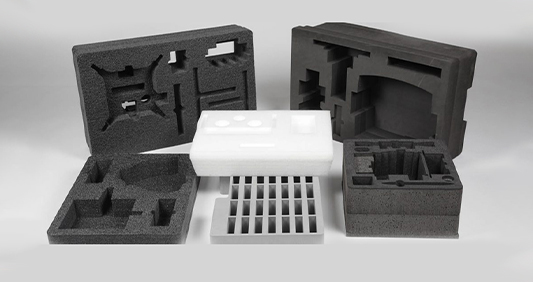
Foam packaging refers to the use of materials that possess cellular structures, often made from expanded polystyrene (EPS) or polyethylene (PE), to create protective packaging solutions. These cellular structures consist of numerous air-filled pockets, which allow the foam to compress and absorb impacts, thereby safeguarding the packaged products. Custom foam packaging is also available in the market.
Importance of Foam Packaging
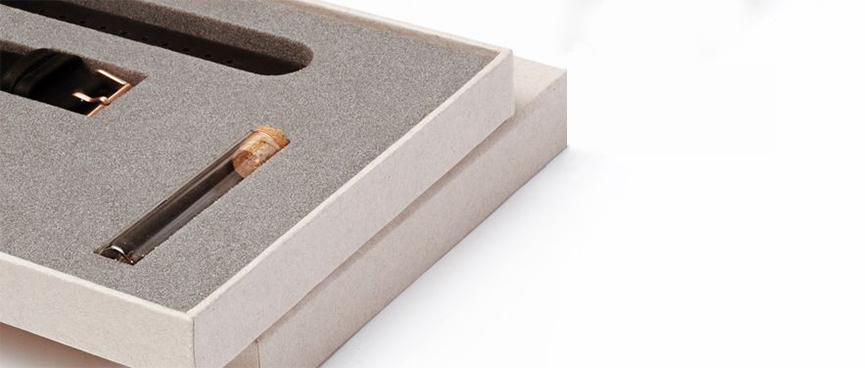
The importance of foam packaging cannot be overstated, particularly when it comes to ensuring the safe transportation and delivery of delicate and fragile items. The unique properties of foam materials make them highly suitable for protecting products during transit, preventing damage caused by impact, vibration, and temperature fluctuations.
Pros of Foam Packaging
Shock Absorption:
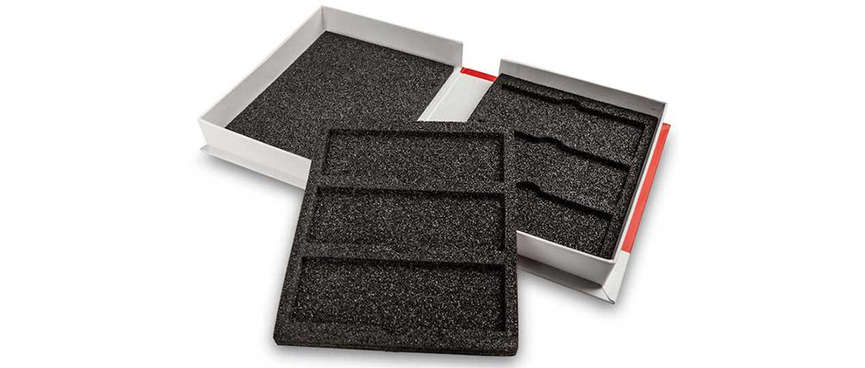
The foam packing material excels in its ability to absorb shocks and impacts. By cushioning the products, foam materials prevent them from being damaged during rough handling, drops, or collisions.
Customizable:
A foam insert can be easily customized to fit the shape and size of various product packaging. It can be molded, cut, or shaped according to specific requirements, providing a snug and secure fit.
Insulation:
Foam packaging offers excellent thermal insulation, making it ideal for protecting temperature-sensitive products. Whether it's perishable goods, pharmaceuticals, or electronic devices, foam insulation ensures that items maintain their required temperature during shipping.
Lightweight:
Foam packaging materials are lightweight, contributing to cost-effective transportation. The lighter the packaging, the more products can be shipped without exceeding weight restrictions, saving money on shipping expenses.
Recyclable:
Many foam packaging materials are recyclable, making them an eco-friendly choice. Recycling foam packaging reduces waste and minimizes the environmental impact, contributing to a sustainable packaging solution.
Types of Foam Packaging
Here are different packaging foam types:
Expanded Polystyrene (EPS) Foam:
EPS foam is one of the most commonly used materials in foam packaging. It is lightweight, shock-absorbent, and has excellent thermal insulation properties. EPS foam is often used to protect fragile items like electronics, glassware, and automotive parts.
Polyethylene (PE) Foam:
PE foam is another popular foam packaging material. It is durable, flexible, and resistant to moisture, chemicals, and temperature changes. PE foam is commonly used for packaging sensitive electronics, medical devices, and industrial equipment.
Polyurethane (PU) Foam:
PU foam offers superior cushioning and shock absorption properties. It is known for its ability to contour to the shape of the packaged item, providing a secure and snug fit. PU foam is widely used in packaging furniture, appliances, and delicate machinery. It can also be used as custom-cut foam.
Molded Pulp Packaging:
Molded pulp packaging is an environmentally friendly alternative to foam packaging. It is made from recycled paper and is biodegradable. Molded pulp is used for packaging items such as eggs, fruits, electronics, and consumer goods.
Ethylene-vinyl acetate (EVA) Foam:
EVA foam for packaging is a soft, lightweight, and flexible material commonly used for protective packaging. It offers excellent shock absorption, vibration dampening, and insulation properties. EVA foam is often used in packaging sports equipment, footwear, and delicate instruments.
Applications of Foam Packaging
Foam packaging finds extensive applications in various industries due to its protective and versatile properties. Let's explore how foam packaging can be used in different sectors:
Pharmaceutical Industry:
Foam packaging is crucial in the pharmaceutical sector to safeguard medicines, vaccines, and medical devices. It ensures that temperature-sensitive products maintain their required conditions during transit, protecting them from temperature fluctuations. Foam coolers and insulated shipping foam help maintain the required temperature range for temperature-sensitive pharmaceuticals.
Retail and E-commerce Industry:
Foam packaging plays a vital role in the retail and e-commerce sector, where products need to be shipped to customers safely. Foam inserts and protective foam packaging materials are used to secure fragile items like glassware, ceramics, and electronics, ensuring they arrive intact.
Sports Equipment Industry:
Foam packaging is utilized to protect sports equipment like helmets, rackets, and bats during shipping and storage. Custom foam inserts and foam padding ensure that the equipment remains safe and intact, ready for use.
Read More: Pantone Colors: The Key to Vibrant Branding and Creative Excellence
To Sum It Up!
In conclusion, foam packaging plays a crucial role in safeguarding products during transportation and storage. Its ability to absorb shocks, provide insulation, and offer customization options makes it an indispensable solution for various industries. By utilizing the right type of customizable foam insert, businesses can ensure the safe and secure delivery of their products while minimizing the risk of damage or breakage.
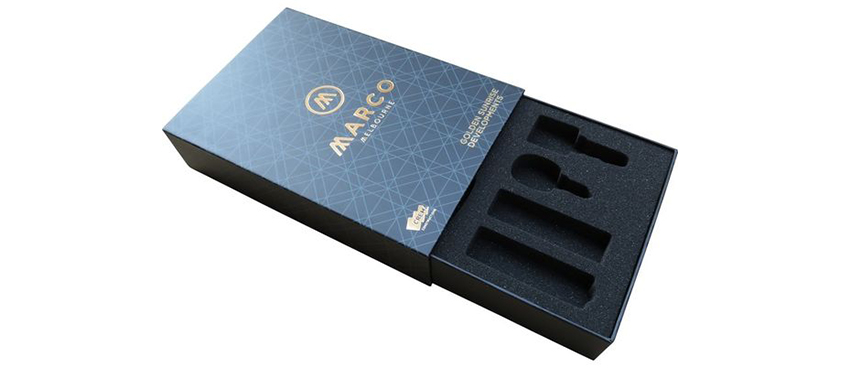
Half Price Packaging specializes in creating custom inserts that are tailored to fit specific products. These inserts are designed to securely hold items in place, protecting them from movement, impacts, and damage during transit. Custom foam inserts provide a snug fit, ensuring maximum protection for fragile or valuable items.
With Half Price Packaging's expertise and commitment to quality, businesses can rely on our foam packaging solutions to deliver products securely while minimizing the risk of damage.
Popular News
Sep 07, 2022
Sep 05, 2022
Sep 01, 2022
Aug 29, 2022
Sep 05, 2022
Sep 22, 2022
With Ornamental Gift Boxes, you may Package Your Products in Styles That Evoke Passion.